


How to Tell If Shilajit Is Pure: 6 Checks Before You Buy
If you want to know how to tell if shilajit is pure, the encouraging news is that most of the checks take under a minute at your kitchen counter. Pure shilajit resin behaves in specific, observable ways, and the fakes tend to fail in predictable places.
Shilajit has gone from an obscure Himalayan resin to a shelf staple in a few short years, and the supply has expanded to meet the demand. Some of that supply is excellent. Some of it is diluted, over-processed, or not shilajit at all. The difficulty for a buyer is that most of the difference is invisible in a product photo. Here are six checks worth running, roughly in order of how much they tell you.
1. The dissolve test
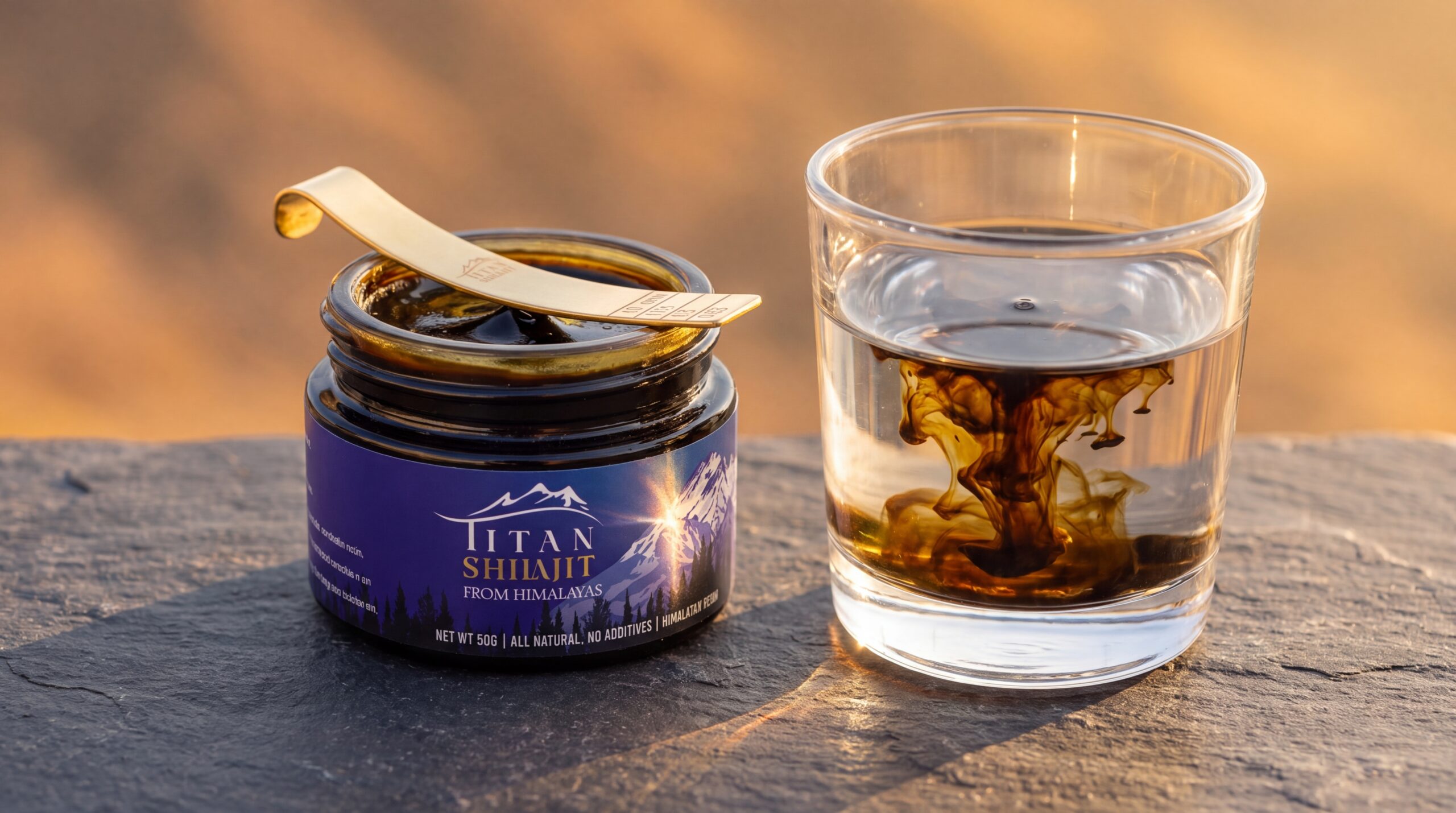
This is the most useful check, and the easiest. Stir a small portion of shilajit resin into warm water and watch what happens over the next thirty seconds or so.
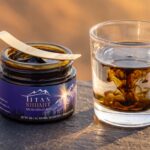
Pure shilajit resin dissolves completely. The water turns a deep reddish-brown to near-black, and when you hold the glass up to the light, there is nothing suspended in it and nothing settled at the bottom. The resin disappears into the liquid.
What you do not want to see is grit, sand, or a fine sediment collecting at the base of the glass. Undissolved particulate means something in that jar is not shilajit — usually clay, soil, or an added filler that came along during a rushed purification.
Cold water is a poor test, incidentally. Even genuine shilajit resin dissolves slowly and stubbornly in cold liquid. Use warm water, tea, or milk and give it a proper stir before drawing conclusions.
2. Density and texture at room temperature
Here is a check that surprises people, because it runs opposite to intuition: a firmer resin is generally the better one.
Shilajit resin’s consistency is largely a function of moisture content. A resin carrying a lot of residual water stays soft, pliable, and easy to scoop straight from the jar. A resin that has been properly dried holds less water, which means a higher proportion of the fulvic and humic compounds that make shilajit what it is — and that resin arrives dense and firm.
So if you open a jar of pure himalayan shilajit and find it stiff enough to need a moment of effort with the spoon, that is the product telling you something good about itself. Softness is convenient. It is not a quality signal.
If a firm resin is difficult to work with, stand the sealed jar in warm water for two to three minutes before scooping. It softens quickly and returns to its normal state as it cools.
3. How it was dried
Raw shilajit has to be purified and dried before it becomes the resin you buy, and there are two broad approaches.
The fast method applies direct heat. It takes hours instead of weeks and it scales well, which is why most high-volume shilajit is made this way. The slow method uses sun-drying over a period of weeks, at ambient temperature, with no fire involved.
Sun-drying is expensive in time and yields less product per batch. Brands that use it will say so plainly on the label and the product page, because it is the main thing they are paying for. If a listing says nothing at all about its drying process, that silence is usually informative.
4. Smell and taste
Pure shilajit resin has a strong, distinctly mineral, slightly smoky aroma, and the taste is bitter and earthy in a way that most people find memorable on first encounter. It is not subtle and it is not pleasant in the way a flavoured supplement is pleasant.
A jar that smells of very little, or that tastes noticeably sweet, has almost certainly been cut with something. Sweetness in particular points toward added honey or syrup, which is a common way to make a harsh product palatable and to pad out volume at the same time.
5. What the packaging tells you
Packaging is not cosmetic here. Shilajit resin is sensitive to light and to the material it sits against, and the container choice reveals how much the producer thought about the product after it left the mountain.
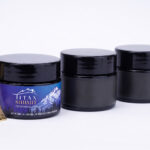
- Glass rather than plastic. Glass is non-reactive, so the resin’s aroma and consistency stay stable in storage rather than interacting with the container over months.
- Some degree of light protection. UV exposure degrades resin over time, which is why serious brands use tinted or otherwise shielded glass.
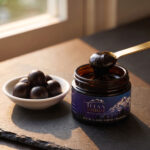
- A rigid metal spoon. Dense resin bends soft plastic scoops. A brand shipping a proper metal spoon has handled its own product and knows how firm it is.
- A sealed jar. The seal matters both for freshness and as basic evidence of a controlled packing process.
6. Third-party lab testing — the one check you cannot do yourself
Everything above is observable at home. This one is not, and it is the most important of the six.
Shilajit is collected from rock and soil, which means the raw material can carry whatever the surrounding environment carried. Heavy metal content is the central question, and no amount of stirring, sniffing, or squeezing will answer it. Only a laboratory can.
What you are looking for is third-party testing — an independent lab, not the producer’s own quality claim — and ideally batch-level testing rather than a single certificate covering everything the brand has ever sold. Batch testing means each production run was checked, which is the only version of the claim that holds up over time.
Ask for it. A brand that tests will produce the documentation without much fuss, because the testing is expensive and they would like you to know they did it.
A note on shilajit for women
Shilajit is often marketed almost exclusively toward men, which has left a lot of women with the impression that it is not for them or that a different formulation is required.
The resin itself is the same material. There is no separate women’s shilajit and no reformulation involved — what is sold as pure shilajit resin for women is, in the honest cases, the identical product with different packaging. The purity checks in this article apply exactly as written, and the same standards are worth holding a brand to regardless of who the marketing is aimed at.
How to tell if shilajit is pure: quick reference
- Dissolves fully in warm water, leaving no grit or sediment
- Firm and dense at room temperature rather than soft and pliable
- Sun-dried over weeks rather than heat-dried in hours
- Strong mineral, smoky aroma and a distinctly bitter, earthy taste
- Sealed glass jar with light protection and a rigid metal spoon
- Third-party lab tested at batch level, with documentation available on request
Where Titan Shilajit sits on each of these
Our gold grade himalayan shilajit resin is collected from high-altitude rock beds in the Himalayan highlands and sun-dried over several weeks rather than heat-processed. It is dense and firm at room temperature — deliberately so — and it dissolves clean in warm water, tea, or milk with nothing left at the bottom of the glass.
Every batch is third-party lab tested and batch tested in the USA. Each 50g jar is glass rather than plastic, and ships with a hard gold-plated spoon built to handle a resin this firm.
Frequently asked questions
How do you tell if shilajit is pure?
Run the dissolve test first: pure shilajit resin dissolves fully in warm water with no grit or sediment. Then check density, drying method, smell and taste, and packaging. The sixth check, third-party lab testing, is the one you cannot do at home and the one that matters most.
Does pure shilajit dissolve completely in water?
Yes. Stirred into warm water, pure shilajit resin dissolves fully and leaves no grit or sediment at the bottom of the glass. Undissolved particulate suggests soil, clay, or filler content. Use warm liquid rather than cold, since even genuine resin dissolves slowly in cold water.
Should shilajit resin be hard or soft?
Firm is generally the better sign. Consistency tracks moisture content, so a soft, easily scooped resin usually carries more residual water, while a dense resin carries proportionally more of the fulvic and humic compounds. Warming the sealed jar for two to three minutes makes a firm resin easier to work with.
What does pure shilajit taste like?
Bitter, earthy, and strongly mineral, with a slightly smoky aroma. It is not subtle. A sweet taste generally indicates added honey or syrup rather than pure resin.
Why does third-party lab testing matter for shilajit?
Because shilajit is collected from rock and soil, it can carry contaminants from its environment — heavy metals in particular. That is the one purity question no home check can answer. Independent, batch-level testing is the only reliable verification.
Is shilajit for women different from shilajit for men?
No. Pure shilajit resin is the same material regardless of who it is marketed to, and the purity checks in this guide apply identically.
These statements have not been evaluated by the Food and Drug Administration. This product is not intended to diagnose, treat, cure, or prevent any disease.
